
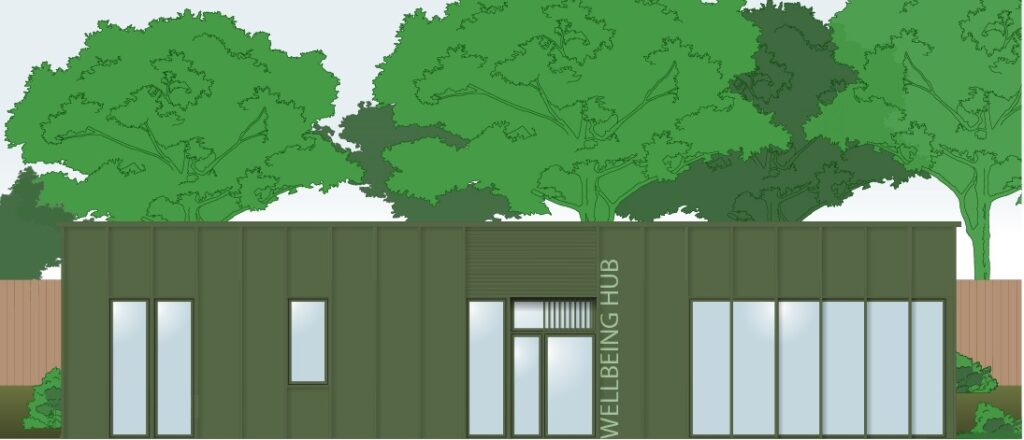
From vision to reality: a new Wellbeing Hub for people living with brain injury
When Tara McIntyre first returned to the gym after her brain injury, she quickly discovered that things weren’t quite as simple as they had been before.
In 2014, Tara sustained a catastrophic brain injury in a road traffic collision caused by a speeding drink driver. She spent three months in an induced coma before beginning a long journey of rehabilitation. It has taken a huge amount of hard work and determination to get Tara to where she is today. Defying doctors’ expectations, she learned to walk and talk again.
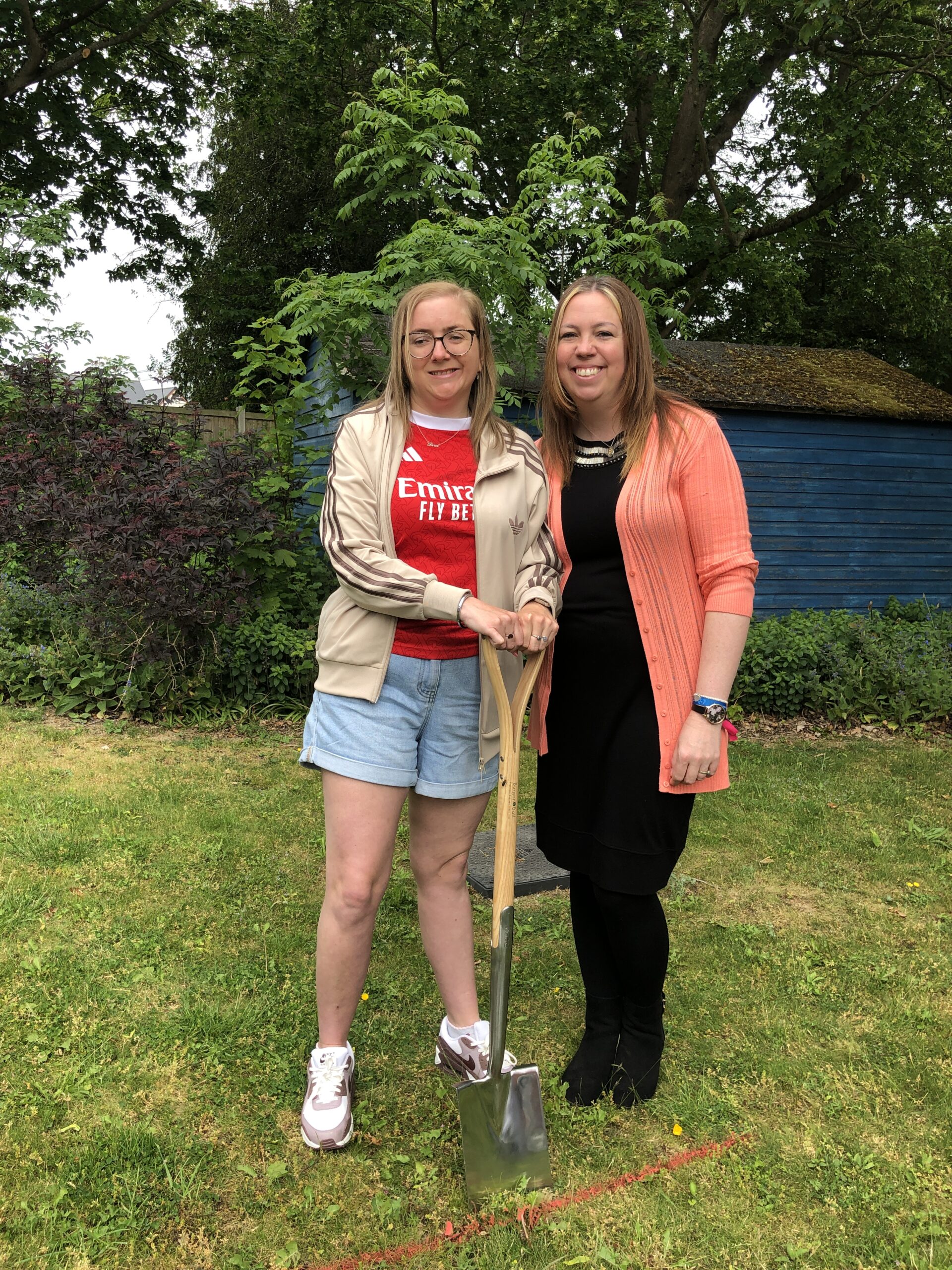
As she worked to regain as much of the life she had before her injury, Tara wanted to return to something she had always loved – going to the gym.
“It kind of struck me that I wanted to carry on doing that,” she said. “I wanted to be the same person. I love doing it and it makes me feel good.”
But returning to a conventional gym presented challenges she hadn’t expected.
“It creates too many messages to the brain,” Tara explained. “I can walk around safely at home, but I need a walker in unfamiliar places. My brain kind of freezes.”
For many people living with acquired brain injury, busy and unfamiliar environments can feel overwhelming. Sensory overload can make everyday activities more difficult and can create barriers to rehabilitation, exercise and independence.
That’s one of the reasons Tara is so excited about our new Wellbeing Hub in Colchester.
A space designed around the people who will use it
Building work is now underway at our Headway Centre on Woodland Walk, where our new purpose-built Wellbeing Hub is beginning to take shape.
The Hub has been designed with the needs of people living with the long-term effects of brain injury at its heart. It will provide a welcoming and accessible environment where people can access rehabilitation, therapy, exercise and wellbeing support.
Having a specialist gym within the familiar surroundings of Headway Essex could make exercise and rehabilitation much more accessible for people who may find busy public gyms overwhelming.
For people living with brain injury, familiarity can be incredibly important. Having somewhere they know and trust, surrounded by familiar faces and a supportive team, can help people feel safe and more confident as they work towards their rehabilitation goals.
Importantly, people with lived experience of brain injury have helped shape the project, alongside family members, therapists and healthcare professionals. This means the Hub isn’t simply a building designed for people with brain injury – it has been shaped by people who understand the challenges first-hand.
For Tara, the dedicated therapy gym will be particularly important.
“I look back and I can see the progress I have made,” Tara said. “The more people go, the more possibilities they’ll have. I’m really looking forward to it. It’s finally getting close.”
Why the Hub is needed
For someone living with a brain injury, recovery doesn’t necessarily end when they leave hospital.
At Headway Essex, we already provide day services and activities in Colchester to help people regain skills, build confidence, develop independence and reconnect with others. But we know there is still a need for accessible, specialist rehabilitation and wellbeing support within the community.
Every year, more than 9,000 people in Essex are admitted to hospital with an acquired brain injury-related condition. Our current figures highlight the scale of brain injury across the county, with someone admitted to hospital with an acquired brain injury approximately every 58 minutes.
The new Wellbeing Hub will create more opportunities for people to continue working towards their goals after hospital treatment, in an environment designed around their needs and the challenges they may face.
What will the Wellbeing Hub offer?
The new facility will include:
- A dedicated therapy gym
- Flexible therapy and rehabilitation spaces
- Quiet rooms for counselling, fatigue management and emotional support
- Outdoor access and green space
- Accessible changing facilities and bathrooms
- Adaptive equipment
- Natural light and sensory-aware design features
The Hub will also allow us to expand the range of support we can offer, including physiotherapy, occupational therapy, psychological support, vocational rehabilitation, exercise and fitness programmes, confidence-building activities, mindfulness and peer support.
We’re also looking forward to making the facility available to local community organisations supporting people with neurological conditions, helping the Hub become a valuable resource for the wider community.
More than just a building
For Emma McCullagh, Head of Service Development at Headway Essex, the project is about creating somewhere people can access the different types of support they need, all in one place.
“Our vision is to create a centre where people affected by brain injury can access the specialist support they need in one place,” Emma said.
“Too many individuals fall through the gaps once they leave hospital. This project will help bridge that gap by providing rehabilitation, wellbeing support and opportunities for social connection that enable people to rebuild their lives.”
“From the outset, people with lived experience have helped shape every aspect of the Wellbeing Hub,” Emma added. “This is a facility designed by the people who will use it, ensuring it meets the real challenges they face every day.”
Turning the vision into reality
Bringing this vision to life has only been possible thanks to the incredible support of our funders and donors, including a £100,000 grant from the Colchester Freemasons and £50,000 from Colchester Catalyst.
With building work now underway, we’re beginning to see the vision become a reality.
For people like Tara, this means much more than a new building. It means having somewhere to continue working towards the things that matter to them – whether that’s improving mobility, rebuilding confidence, meeting other people or simply finding a way to enjoy activities they once loved.
And for Tara, it’s the possibilities that make the project so exciting.
“The more people go, the more possibilities they’ll have.”
We can’t wait to share the next stage of the journey with you.
