
Advances in brain cancer research offer hope for the future, but for people affected by a brain tumour, the journey does not end with medical treatment.
At Headway Essex, we believe rehabilitation and ongoing support are essential to helping people rebuild their lives and maintain their independence.
This week is Brain Tumour Awareness Week highlighting the particular challenges of a brain tumour diagnosis and the need for a special response and an increased research effort. Earlier this month the Government announced new measures aimed at accelerating the development of treatments for people living with brain cancer. The plans are an important step towards addressing the urgent need for progress in research and improving access to promising new treatments.
The announcement follows a meeting at Downing Street between the Prime Minister, the Health Secretary and Archie Goodburn, a 25-year-old swimmer living with inoperable brain cancer, who made an emotional appeal to the Prime Minister on BBC Breakfast.
The Government’s commitments include an immediate expert review of progress in brain cancer research, a national action plan to speed up the development of new treatments, the appointment of a national brain cancer clinical lead and a faster review of the regulatory framework for medicines treating rare conditions.
There are also plans to work with patients, families, charities, researchers and clinicians to increase participation in clinical trials and give more people opportunities to access promising treatments.
At Headway Essex, we welcome these commitments. For people affected by brain tumours and their families, the need for progress is urgent. Research and treatment developments have the potential to make a real difference, and it is vital that the experiences and voices of patients and their families help shape the future of brain cancer care.
The impact of a brain tumour goes beyond diagnosis
While advances in medical treatment are essential, a brain tumour can affect much more than a person’s physical health.
Depending on the tumour and its effects, people may experience changes to their memory, concentration, communication, mobility and emotional wellbeing. Everyday activities that were once straightforward can become more challenging, and relationships, confidence and independence may be affected.
For some people, these difficulties continue long after medical treatment has ended. Families and carers can also face significant challenges as they adapt to changes in the person they know and the responsibilities that may come with providing support.
This is why care must look beyond the tumour itself and consider the whole person, including their rehabilitation needs, emotional wellbeing, relationships and quality of life.
How rehabilitation can help people move forward
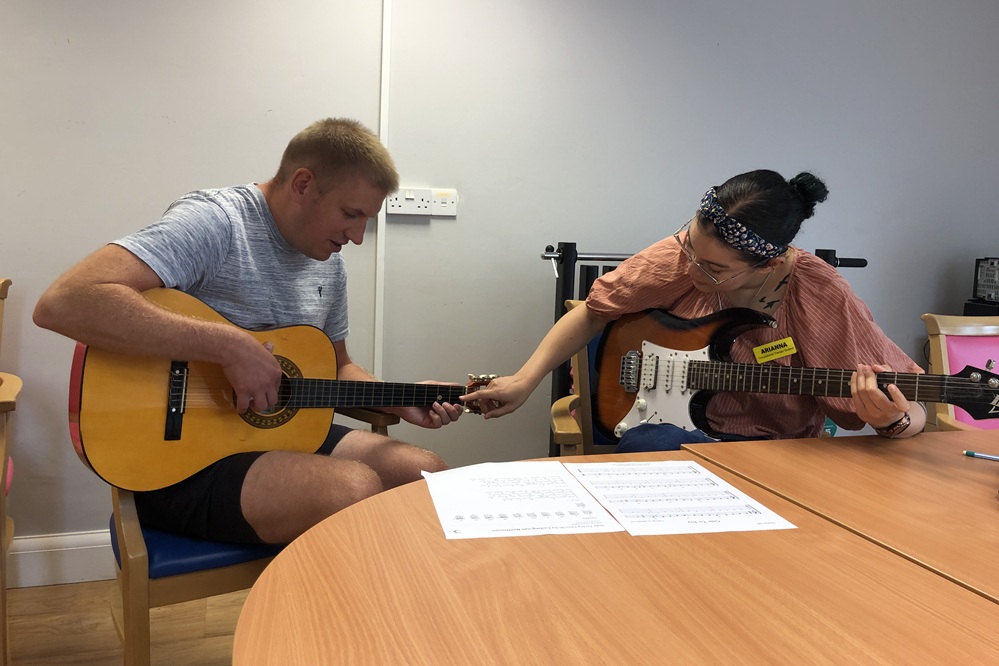
At Headway Essex, we understand that life after a brain injury can look very different from the life someone knew before. Rehabilitation and ongoing support can help people navigate these changes, develop ways to manage their difficulties and work towards greater independence.
Through our rehabilitation and support services, we help people affected by acquired brain injury to rebuild confidence, develop strategies for everyday challenges and work towards personal goals. This support recognises that every person’s experience is different and that progress looks different for everyone.
Rehabilitation is not simply about recovering physical abilities. It can also involve learning to manage changes in memory and concentration, adapting to new circumstances, reconnecting with other people and finding ways to participate in everyday life.
Support for families and carers is important, too. When someone experiences a brain injury, the effects can be felt throughout the family. Having access to information, understanding and appropriate support can help families adjust and navigate the challenges they face.
Research and rehabilitation must go hand in hand
The Government’s announcement brings welcome attention to the need for faster progress in brain cancer research and treatment. But as new treatments are developed, it is equally important to ensure that people can access the rehabilitation and community-based support they need.
Medical treatment may focus on the tumour, but people can be left managing its wider effects on their daily lives. Rehabilitation can play a vital role in helping them adapt, maintain their skills, regain confidence and achieve the best possible quality of life.
For some people, this support may be needed during treatment; for others, it may become particularly important afterwards. Needs can change over time, making access to appropriate, ongoing support essential.
A comprehensive approach to brain tumour care should therefore recognise both the importance of medical advances and the longer-term support people may need to live as well as possible.
Looking to the future this Brain Tumour Awareness Week
We hope the Government’s commitments will lead to meaningful and lasting improvements for people affected by brain cancer and their families.
Faster research, better access to clinical trials and the development of new treatments are important ambitions. Equally, people need support to navigate the changes a brain tumour can bring, rebuild their confidence and independence, and find ways to move forward with their lives.
At Headway Essex, we believe that rehabilitation and community-based support must be recognised as an integral part of the brain tumour care pathway.
This Brain Tumour Awareness Week, we are highlighting the importance of looking beyond diagnosis and treatment to the person living with the effects of a brain tumour. Because progress is not only about developing new treatments; it is also about helping people live as well as possible, with the right support at every stage of their journey.
