

As we approach October the days are getting noticeably shorter and you can feel the changing season.
As autumn turns into winter, the change in daylight can affect more than just how early it gets dark. Shorter days mean less natural light, which can influence the brain’s internal clock – known as the suprachiasmatic nucleus – and affect our circadian rhythm, the natural cycle that helps regulate sleep and wakefulness.
For someone living with a brain injury, these seasonal changes can sometimes feel even more noticeable. Reduced daylight and changes to routine may contribute to fatigue, low mood, disrupted sleep, brain fog and difficulties with concentration.
The good news is that there are some simple things you can try to support yourself through the darker months.
Practical ways to manage shorter winter days
Make the most of morning light
Try to get outside or sit near a bright window soon after waking up. Natural light in the morning can help support your body clock and anchor your circadian rhythm.
Even on a grey day, getting outside for some natural daylight can be beneficial.

Consider light therapy
Some people find light therapy helpful during the darker months. A certified 10,000-lux light therapy box can provide bright light exposure, usually in the morning.
Light therapy isn’t suitable for everyone, so it’s important to speak to your GP or another healthcare professional before using one, particularly if you have any existing health conditions or concerns.

Pace your energy
Shorter days can make it tempting to try to fit everything in while there is still daylight, but it’s important to listen to your body.
Break tasks into smaller, manageable chunks and try to rest before your fatigue reaches its peak. Pacing yourself can help reduce the risk of pushing too hard and experiencing those particularly difficult “bad days” afterwards.
Keep a consistent routine
Try to maintain regular wake-up and sleep times, even as the daylight hours change.
A consistent daily routine can provide helpful structure and support your sleep-wake cycle. Where possible, build in regular meals, rest periods and activities that you enjoy.
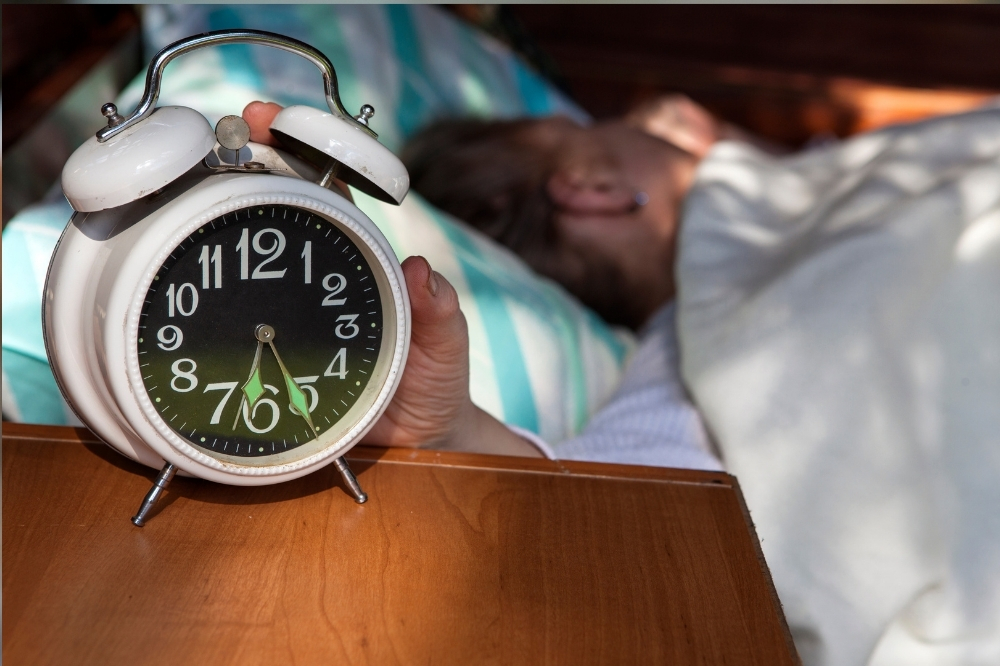
Be kind to yourself this winter
Seasonal changes can affect everyone differently, and if you’re living with a brain injury, you may find that the shorter days have a bigger impact on how you feel and function.
Small changes can make a real difference. As the days get shorter, try to be kind to yourself, listen to what your body is telling you and give yourself the support you need.
You don’t have to push through fatigue. Sometimes, looking after yourself means slowing down, taking a break and giving your brain the time it needs to recover.
If the shorter days are affecting your mood, or you’re experiencing feelings of depression following a brain injury, Headway UK’s factsheet ‘Depression after brain injury’ provides further information and support. It explains what depression is, offers practical advice on coping, and highlights where you can go to seek help.
If you’re finding that the shorter days are making fatigue more difficult to manage, Headway UK have produced a booklet which offers practical ideas and strategies to help. It explores different ways of managing fatigue so that you can feel more in control and have greater choice over what you do and how you feel.
https://www.headwayessex.org.uk/wp-content/uploads/2018/02/managing-fatigue-e-booklet.pdf
If you are finding this time of year hard you don’t have to manage on your own — help is available.
We encourage you to reach out for support if you need it. You can contact us on 01206 845945 or email abisupport@headwayessex.org.uk.
If you need support urgently there are a number of trusted community services and helplines available during this time, and their contact details are listed below.
Where to go for support
- If someone has an accident or illness or you believe they are in immediate danger which requires emergency action call 999.
- If you need non immediate medical guidance call 111. NHS 111 is available 365 days a year, 24 hours a day for urgent health concerns, giving you advice and reassurance quickly and easily.
- For urgent help for your mental health call 111. Adults experiencing a mental health crisis, can speak to a mental health professional anytime, day or night, by calling NHS 111 and selecting the option for mental health.
- If you are feeling overwhelmed, or experiencing a mental health crisis, Mind’s North East Essex Sanctuary will be open throughout the Christmas and New Year period, with hubs in Colchester and Clacton. 10am – 11pm – 7 days a week – 365 days a year. Call: 0300 330 9492 or go to neesanctuary.co.uk
- Samaritans offer confidential emotional support 24/7 to anyone in crisis, feeling suicidal, or needing someone to listen. You can call Samaritans for free any time, day or night on 116 123
