
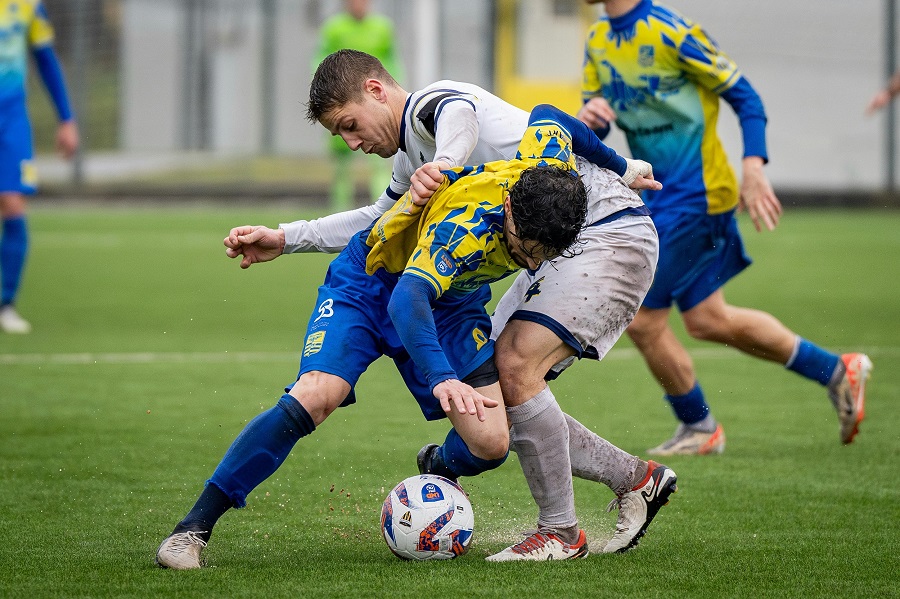
Most head injuries are not serious, but it’s important to get medical help if you or someone you know have any symptoms after a head injury. You might have concussion (temporary brain injury) that can last a few weeks or sometimes can develop into post-concussion syndrome. Whether on the field or off, head injuries are easy to overlook, but how do we recognise when someone has concussion and why is it important?
What is concussion and how to recognise it?
A concussion is a brain injury that can be caused by a blow to the head, or an impact that causes the brain to shake violently inside the skull. They are often associated with sports injuries, but they often happen through accidents, falls, and other types of collisions.
Fortunately, most concussions are mild and have short term effects, but some can be more severe – even life threatening, so it is important to understand the signs and symptoms. It is important to remember that mild doesn’t mean insignificant and you should get it checked out either way.
Signs can be:
- Loss of consciousness (this isn’t always the case)
- Disorientation
- Incoherent speech
- Confusion
- Dazed or vacant
Symptoms can be:
- Headache or feeling pressure in your head
- Can’t recall events before or after hit or fall
- Nausea
- Vomiting
- Dizziness or balance issues
- Loss of muscle tone (limpness)
- Sensitivity to noise or light
- Feeling unusually emotional, nervous, or sad
What to do
It is important to seek medical help straight away if you suspect you, or someone you know may have concussion. If concussions aren’t treated carefully, symptoms can go on for a longer time. They can even worsen and can leave the person at a greater risk of further concussions. This is serious because sustaining a second concussion before the first has fully healed can lead to more severe brain injury and, in some cases, can be life-threatening. It’s essential not to return to the field or resume the activity that caused the injury within the first 24 hours of a suspected concussion. If in doubt, sit it out!
If someone has a concussion or you think they might, it’s important to keep a close eye on them—make sure they’re not alone for the first 24 hours. To help the brain heal safely, it’s best to avoid alcohol and hold off on driving until all symptoms have completely gone.
Why rest is important
Rest is the foundation of concussion treatment. This means resting the body and just as importantly, resting the brain (cognitive rest).
Physical rest means avoiding activities such as:
- Running
- Cycling
- Swimming
- Physical work activities etc
Cognitive rest means avoiding activities such as:
- School work
- Homework
- Reading
- Television
- Video games etc
When you’re feeling better, it’s a good idea to ease back into work, school, or other activities gradually. This helps your brain recover fully and lowers the risk of further injury or long-term issues. If you’re still having symptoms within two weeks, check in with your doctor for extra support.
If you would like to read further guidance on concussion you can read more on the NHS website https://www.nhs.uk/conditions/head-injury-and-concussion/
