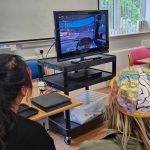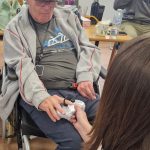
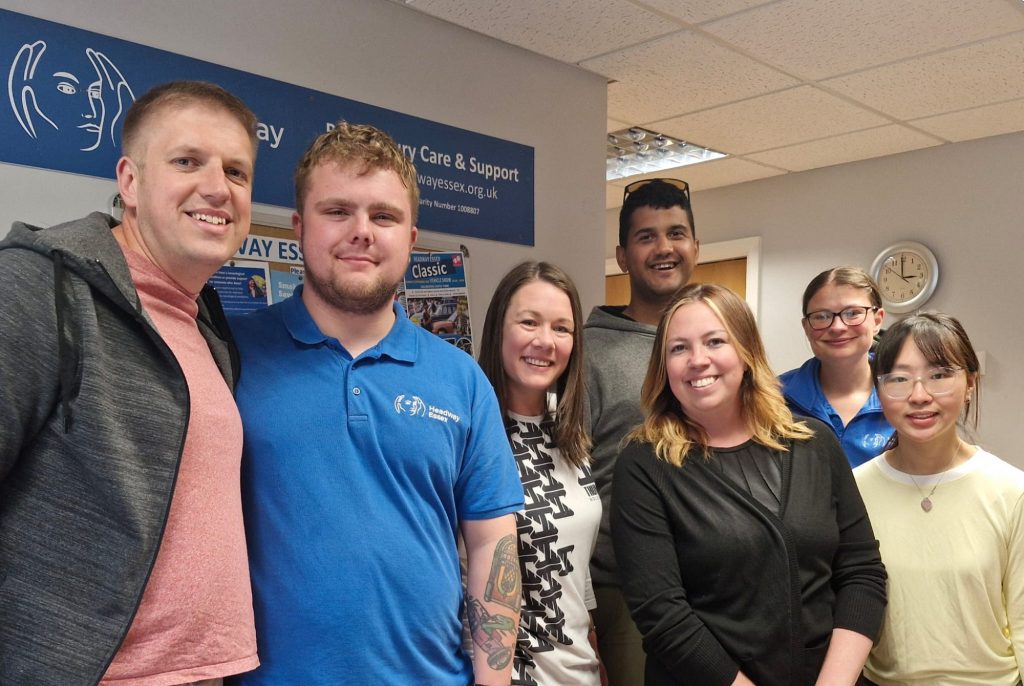
We recently welcomed Roxanne from Thumb Soldiers to our centre in Colchester. The creative team at Thumb Soldiers have built a range of adaptations that make gaming accessible for people with fine motor difficulties.
Thumb Soldiers were created to help with control, better performance, and as a way for everyone to feel more connected to the games they love. The adaptations mean that everyone can use their existing game controller.
Positive Impacts
People often talk about video games in a negative way, highlighting concerns like too much screen time, aggression, or social isolation. But what’s often missed in the conversation are the many positives—like how games can boost cognitive skills and even help build meaningful social connections
Gaming—whether it’s popular video games or ones specially designed for rehab—can actually be a really helpful part of brain injury recovery. It can support improvements in things like attention, processing speed, and motor skills. While it’s important to be mindful of too much screen time, using games in a focused, therapeutic way can make a big difference for those on the road to recovery.
Getting stuck in
We loved the hands-on demos and the opportunity for our clients to try the adaptations themselves. They were so positive about the possibility for making gaming accessible for people with fine motor difficulties and there is much to think about with the potential role of gaming in brain injury recovery—highlighting how inclusive design can support both rehabilitation and fun.
The benefits
Accessible gaming can open new avenues for engagement, enjoyment, and rehabilitation – whether it’s taking to the tracks with your favourite racing game or something a bit more relaxing. The benefits of gaming for people with Acquired Brain Injury (ABI)—including cognitive, emotional, and social advantages. Here are some key benefits:
- Cognitive Rehabilitation
Improves memory, attention, and processing speed through problem-solving, puzzle, or strategy games.
Encourages neuroplasticity—the brain’s ability to rewire and adapt—which is vital in recovery.
- Motor Skills Development
Many games help with hand-eye coordination, fine motor control, and reaction times, especially those that involve physical interaction (e.g., with controllers or adaptive devices).
- Emotional and Mental Health
Gaming can reduce anxiety, depression, and feelings of isolation, which are common after ABI.
Offers a safe space to experience challenge and accomplishment, boosting self-esteem and mood.
- Social Connection
Online and multiplayer games enable social interaction and help reduce loneliness by connecting users with others, even remotely.
- Routine and Motivation
Games can provide structure, goals, and motivation for daily activity, helping maintain a routine that aids in recovery.
- Pain and Fatigue Management
Engaging gameplay can serve as a distraction from pain or fatigue, making rehabilitation more tolerable.
So what’s stopping you, get those thumbs at the ready!