Headway Essex has been working on a pilot scheme with the University of Essex’s Health, Wellbeing, and Care Hub called Next Steps, which offers eight weekly, tailored session of rehabilitation and guidance sessions to people with an acquired brain injury (ABI). Thanks to funding from Colchester Catalyst we have been able to help people who otherwise wouldn’t be able to access this level of support because of barriers such as diagnosis, funding or long waiting lists.
Through co-production with the University of Essex the project has addressed the gap in services where adults with an acquired brain injury (ABI) requiring additional rehabilitation have found themselves unable to access help through the statutory health and social care organisations. ‘Next Steps’ provides an alternative pathway to essential support.
We were delighted to work with the University of Essex. Not only has this initiative helped those accessing the support, but also offers the University’s healthcare students valuable hands-on experience and specialist knowledge about ABI, which they can carry into their future careers as healthcare professionals.
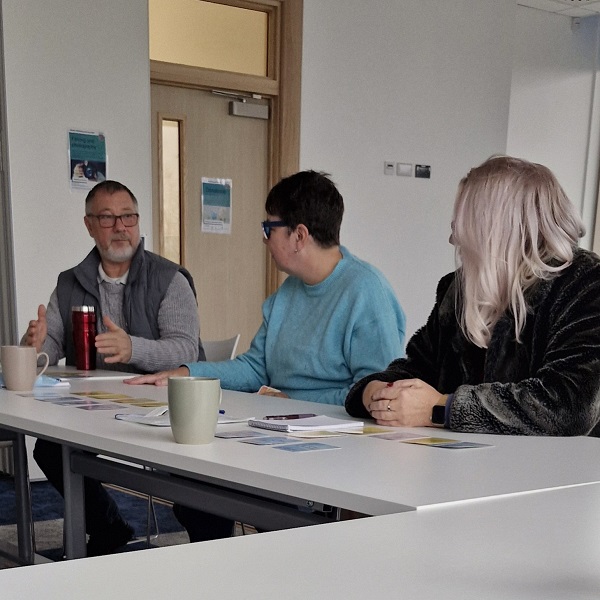
The participants were able to attend eight meaningful group and one-to-one sessions, benefiting from the peer support of others in the group and in personalised support and guidance in the 1:1 session.
The sessions :
- Week 1 – Intro and overview
- Week 2 – Intro to ABI
- Week 3 – Strength and Balance
- Week 4 – Attention, memory & fatigue
- Week 5 – Emotions & Relationships
- Week 6 – Self-Care and self-compassion
- Week 7 – Return to meaningful enjoyment
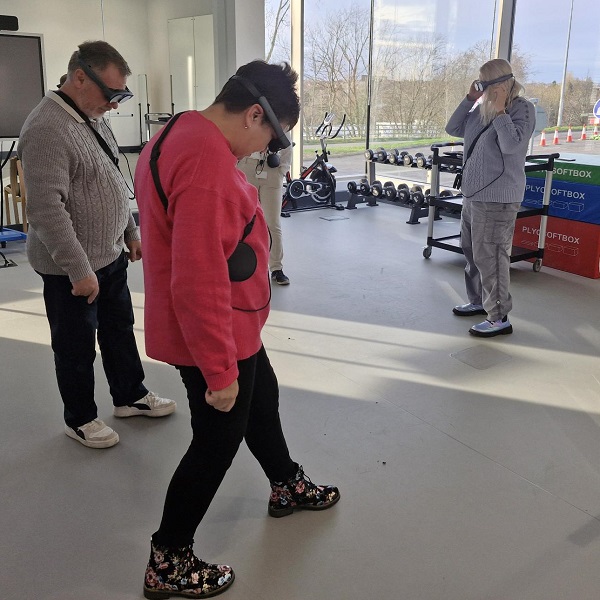
- Week 8 – Augmented reality, overview and forward planning
Three of the sessions drew on the experience of Professor Andrew Bateman who centred on attention, memory and fatigue and Dave Smith from Flexfityoga CIC who focused on the strength and balance and emotions and relationships.
Tailored learning
By taking into consideration the individuals’ brain injuries and symptoms, the weekly sessions were tailored according to need, which made the education meaningful to each participants. The feedback from the participants was that they felt strongly that they were better informed about their brain injury and how to manage it and had gained practical strategies for daily life and recovery.
One participant said: “I have gained a better understanding of the type of brain injury I have experienced and how it affects me. I have learned that it is OK to feel the way I do”
Another said “They were so tailor-made and beneficial for my speech, swallowing, cognitive processes, diarising, monitoring my energy levels and following exercises to carry on with”
Peer support
Working in a group session has helped develop a ‘camaraderie’ amongst the participants who felt they could talk openly and honestly in a safe environment. They have fed back that they feel much less isolated and their confidence has risen a lot due to the Next Steps project
“I feel as though I have been heard and that others have similar experiences. I have been encouraged to share positives and to believe I still have something to give.”
The impact of the programme can be widely seen through all of those who took part, including the students who gained much insight and experience from working with the participants. This will enable the students to learn and flourish and will inform their future learning.
The participants in turn gained a lot personally from the rehabilitation activities, building understanding and skills to adapt to life with a brain injury. As well as gaining in confidence and feeling less alone they found meaning in being be able to “help” the students by imparting their experiences, which gave them a sense of “use or purpose” as it was also helping the students.
Stepping into 2025
The second phase has started and we are excited to see what this new phase brings. We are joined by five new participants alongside one who has already completed the programme, bringing their experience into a peer support role. The peer supporter’s experience will add valuable insight to the sessions.
When asked if they would recommend this course to others one answered
“100%. The efficacy and positive consequences for so many people could impact on society further too.”
“This has genuinely been life-changing for me and I hope it will be rolled out from here and do the same for others.”
The results in numbers
When asked:
I feel more informed about my brain injury 100% strongly agreed
The group sessions have helped me feel less isolated 100% strongly agreed
The one-on-one activities have provided personalised support and guidance 100% strongly agreed
My confidence has improved since attending this course 80% agreed
I have gained practical strategies for daily life and recovery 93% agreed